Satellite phone makes high-speed Internet connection


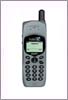
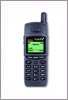
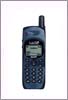
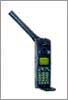
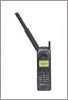
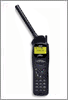
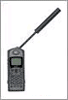
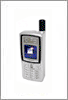
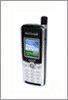
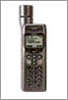
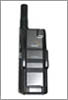
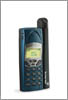
 At 130 gr, it's the world's smallest Satellite phone and last week, Thuraya made a high-speed Internet connection through it. It was the world's first such call and yet another feat for the rapidly expanding company. Thuraya's second generation phones will become a new favorite with Himalayan expeditions and limited numbers of the SO-2510 were introduced to the market recently ahead of its full commercial launch in September.
Wednesday, Project Manager Ahmed Mansoor Al Abd and his team made the first successful 'packet call' on the SO-2510 handset (packet call refers to the data transmission technology known as GPRS, or General Packet Radio Service). Until now, such connections were only possible through latest GSM phones or special satellite kits like ThurayaDSL, which provides high-speed data service; or high speed modems such as BGANS. 'We were able for the first time to browse the Internet and download files,' Mansoor Al Abd said. Handset users can download information at speeds of up to 60Kbps and upload at about 15Kbps. Thuraya will initially offer a basic GPRS service to the second-generation handset users for an additional fee. Plans are also underway for introducing a number of GPRS-based advanced features.
posted by HighSpeedSat @ 11:39 AM







1 Comments:
At 5:09 PM, Anonymous said…
What sort of cell/sat hybrid are people using in New Mexico? None of hybrids I know of(and I pretty much know about them all)work in north america.Satellite phones are terffic in place like rural africa or asia where there is no phone infastructure. also for marine and airplane use. i can think of no reason to own one for use a a rich developed country with good cell networks. an exception might be to keep one in closet or drawer somewhere to pull out in the case of a major diaster that shuts down the ground based networks.
Post a Comment
<< Home